
Private Photography Workshops in Barcelona
My photography workshops in Barcelona start at what you already know and build from there. Understanding is the objective, not a list of settings to reach for: you learn a concept, put it to work in the street, and only then move on to the next one. That is what takes you off automatic for good, and turns your shots into keepers under any conditions.
- Half a day, with any camera or phone.
- Understand, learn, apply — and walk away with skills that stay.
- Any level. It sets where we start, and nothing else.
- English or Spanish, both native.
- Teaching photographers here since my first clients in 2003.

What a Photography Workshop in Barcelona Looks Like
What I want is for you to leave able to work without me. So I don’t hand out settings to copy: I ask, you try, and I push you to reach the answer yourself, because a conclusion you arrive at is one you can use again in a situation I never showed you. We stay with a thing until it is yours, however long that takes. What you walk away with is not a set of pictures from one afternoon in Barcelona, but the ability to make them anywhere, on your own.
How These Were Taken
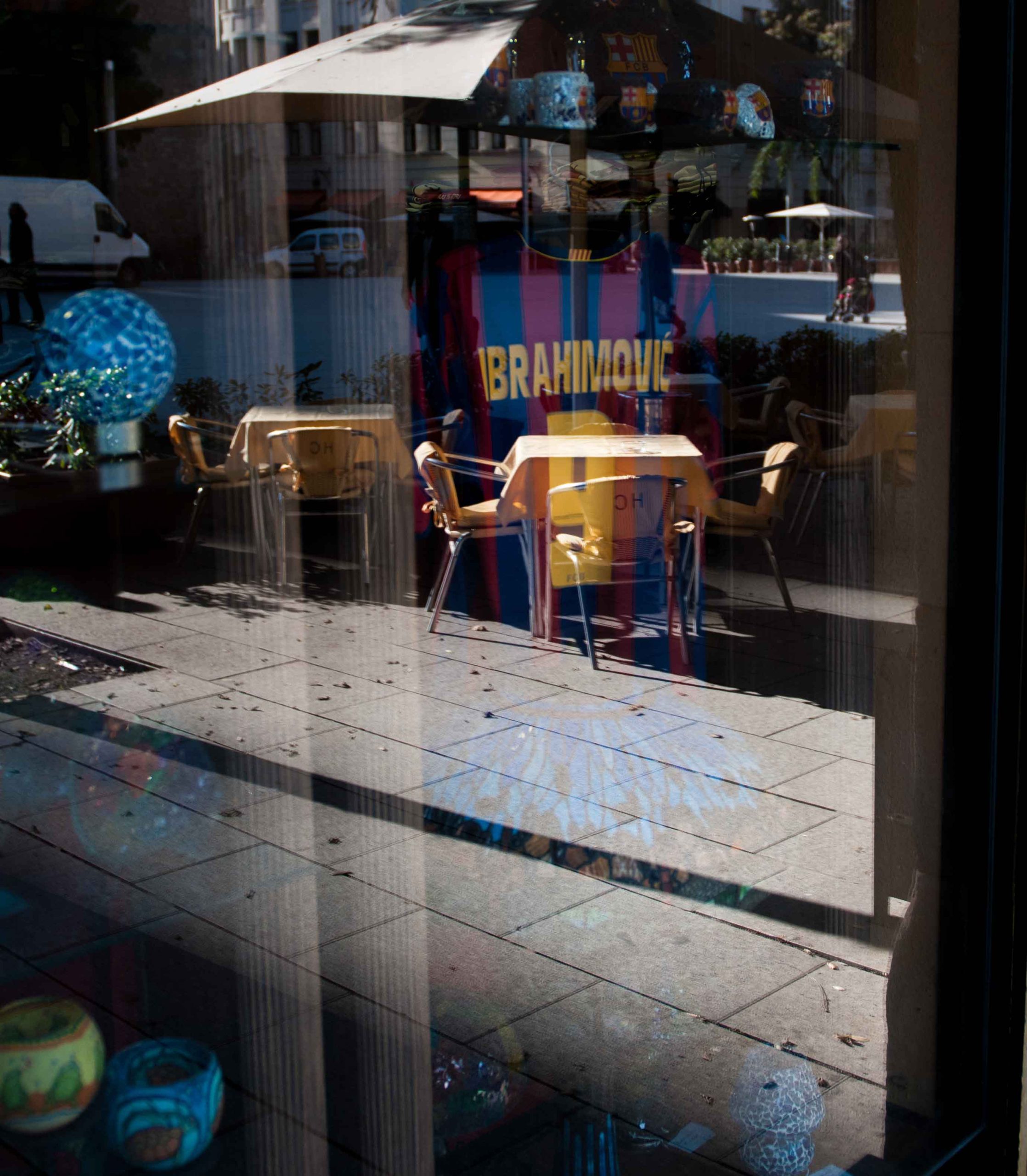
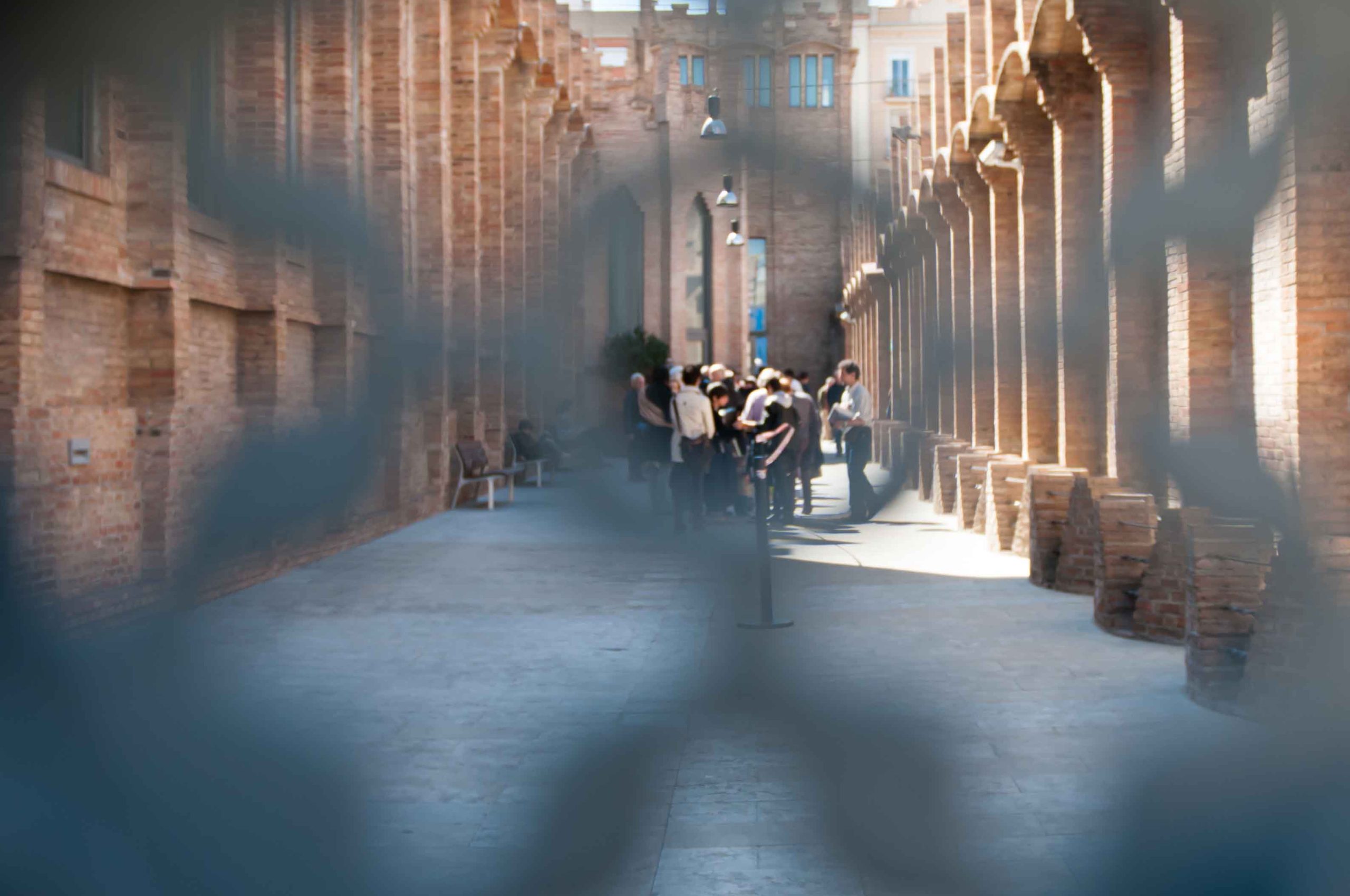
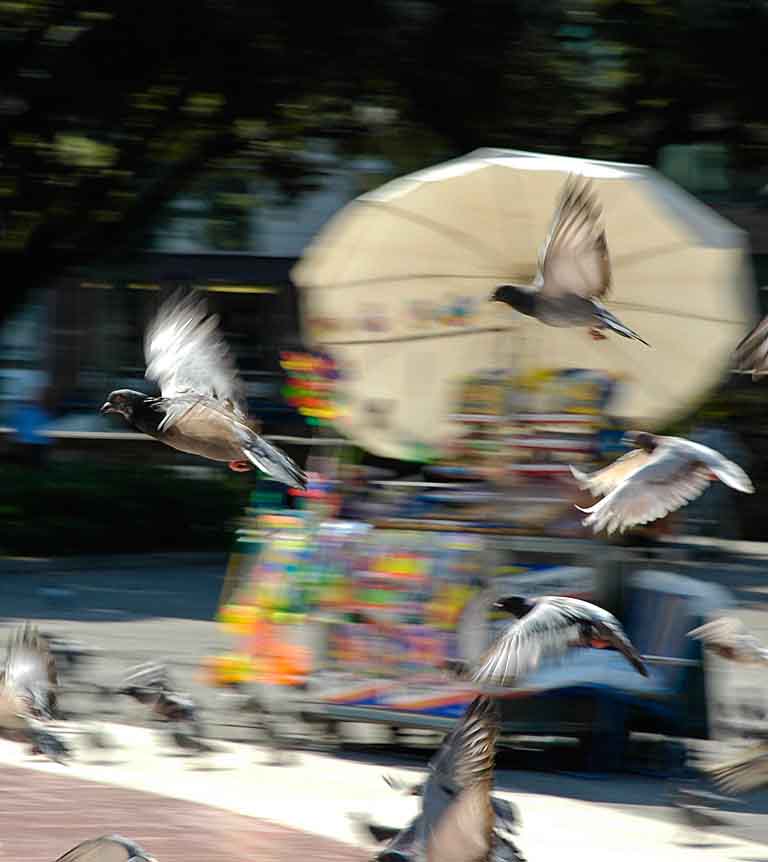
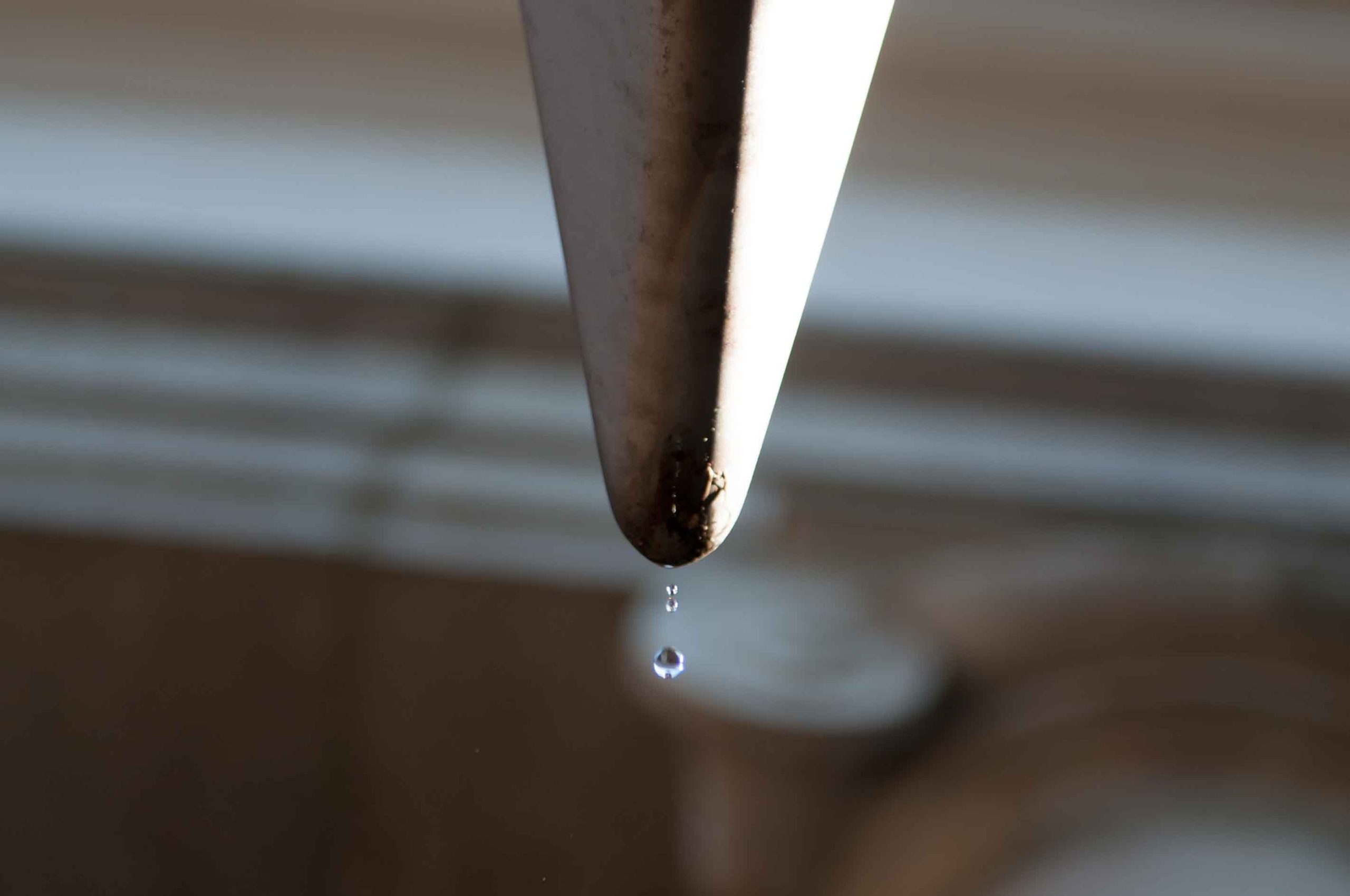
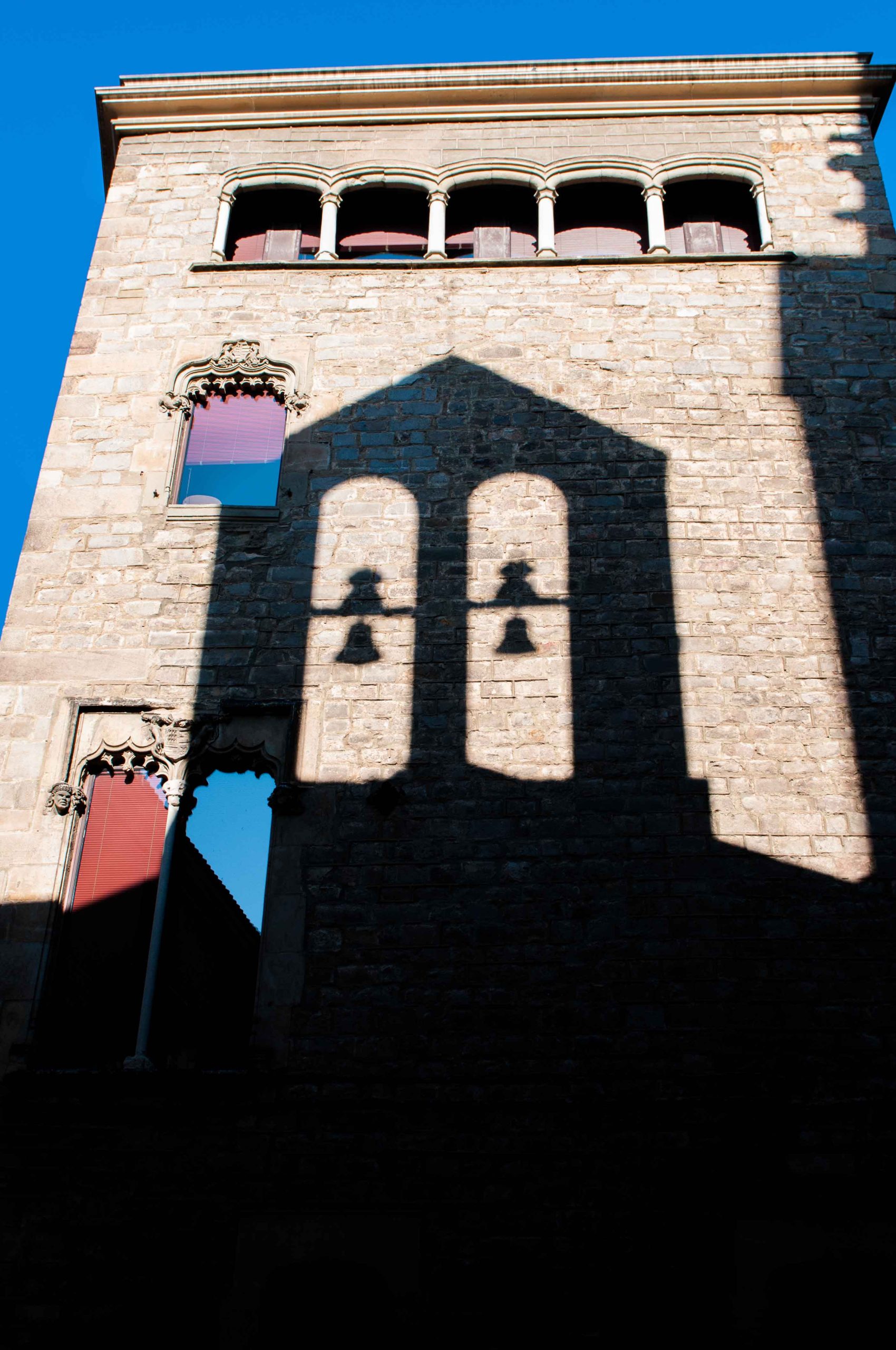
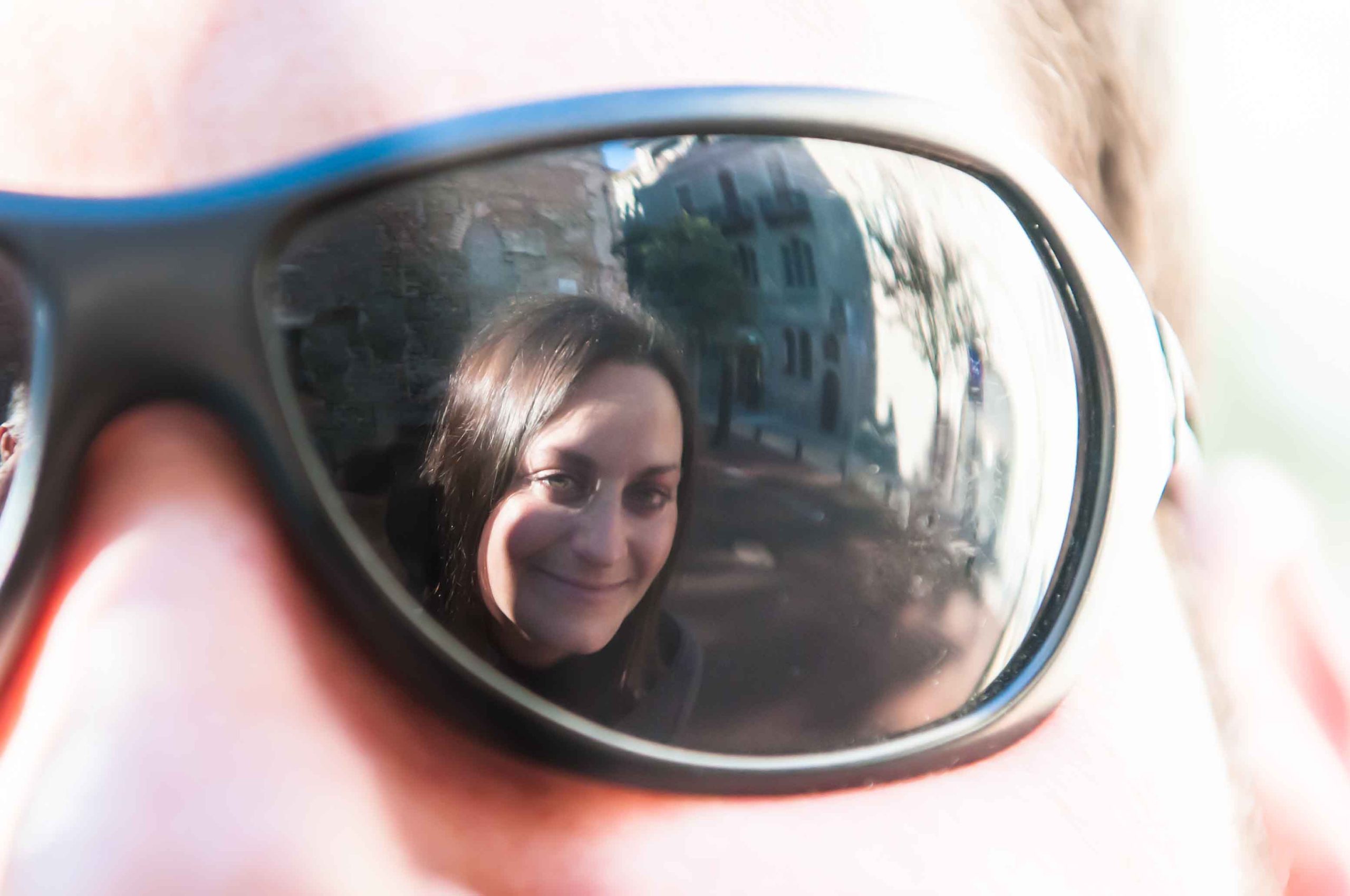
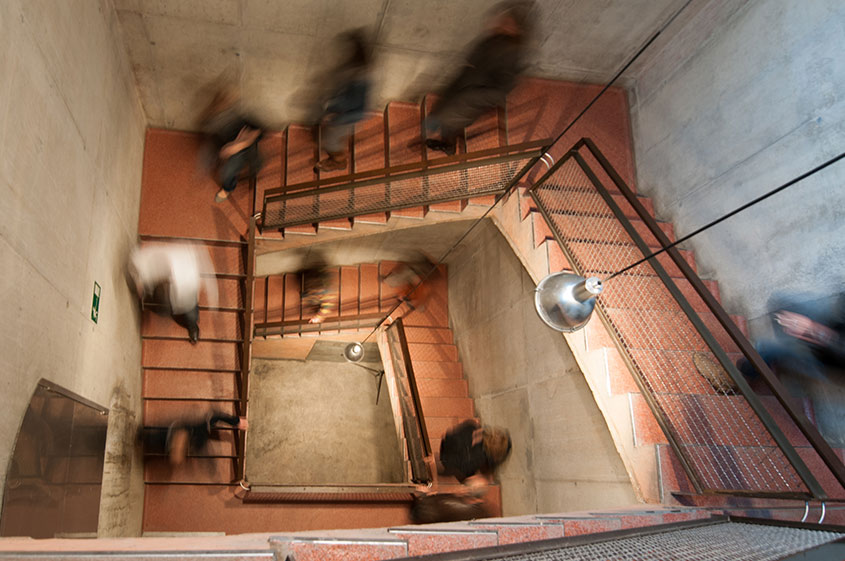
Each of these is a type of picture with the technique that produced it written beside it, not to show what I can do but because once you understand what is happening in a shot you can set the camera up for it yourself and take it again and again, under whatever the circumstances are.
What You Get Out of It
A workshop is worth what you can still do six months later. That is the test, and it is why the hours are spent the way they are: not on getting you a few good pictures of Barcelona while you are here, but on making sure you can get them anywhere afterwards.
No question is too basic
What stops most people is not the camera, it is not wanting to look slow in front of someone who knows more. Nobody else is waiting on you here, we go at the pace you actually learn at, and there is no question I will treat as too basic to answer properly.
You learn why, not what
Being handed a set of numbers to dial in gets you through one afternoon. Knowing what those numbers are doing to the picture, and why they matter, gets you through every afternoon after it. That is the difference between owning a camera and using one.
Corrected while the shot is still in front of you
The hours out in the city are spent on real situations rather than examples, and I tell you what worked, what did not and what to change while the shot is still in front of you, so you can try it again there and then.
The help does not stop when the session does
If you book a second day it is me again, picking up where the first one left off, because there is no roster here and nobody is sent in my place. Questions arrive days later too, when you are somewhere else with the same camera, and they get answered. Keep practicing and it becomes second nature.
“His help did not simply end when the session was over. Gaston has continued to stay in touch and has been available for additional questions and guidance afterward. — Leonardo P., New Jersey”
How a Workshop Runs
The order matters more than anything covered in it, and half of what is covered is not the camera at all. Knowing what your settings are doing is no use if you cannot see the photograph before you take it, so the two are taught together from the first hour.
Before we go anywhere
We start sitting down, with your camera between us, and I find out what you already know by asking rather than assuming. Then we go through what it is actually doing when you press the button, and why that changes the photograph. This is where the level you arrive at matters, and it is the only place it does.
Out in the city
Where we walk is not the point, and understanding that is half the lesson. People think a good photograph needs somewhere exotic; it needs someone who knows how to look. This part is coaching more than instruction: seeing it first, thinking it through, holding the picture in your head before the camera comes up, and only then setting up for it. Wherever we happen to be has everything we need, which is why it works as well in your own street as it does here.
The camera in your hands
Where you brace, the half press that locks focus and reading before you recompose, the camera left on so it is ready when the moment is, the dials known well enough to change something without lowering your eye. None of it is theory, and it is where the results leak away for people who have the theory already and cannot see why the pictures are flat. If that is you, this is where we start.
The same shot, more than one way
The quickest way to understand a setting is to see what it costs you. Someone standing in shade on a sunny day: we shoot it with the camera reading the whole scene, then again reading only their face, then again with the focus somewhere else, and you look at the results on the screen there and then. Nobody has to take my word for what the camera is doing.
Afterwards, with the lesson still fresh
Every frame you take carries a record of what you did to get it, the aperture, the shutter speed, the focal length, and any program that reads it will show you those beside the picture. Go through them in the days after, while the lesson is still fresh, and most of the answers to what went wrong are already sitting there in the numbers.
Nothing moves on until you can use it, and what changes with experience is how far into each of these we get, never which of them you are given.
That is what makes two half days better than one long one: the first covers two things and gives you the days in between to use them, the second starts from what you brought back and goes on to the next. A full day is possible and rarely the better choice, because attention wavers long before the light does.
For Teams and Company Events
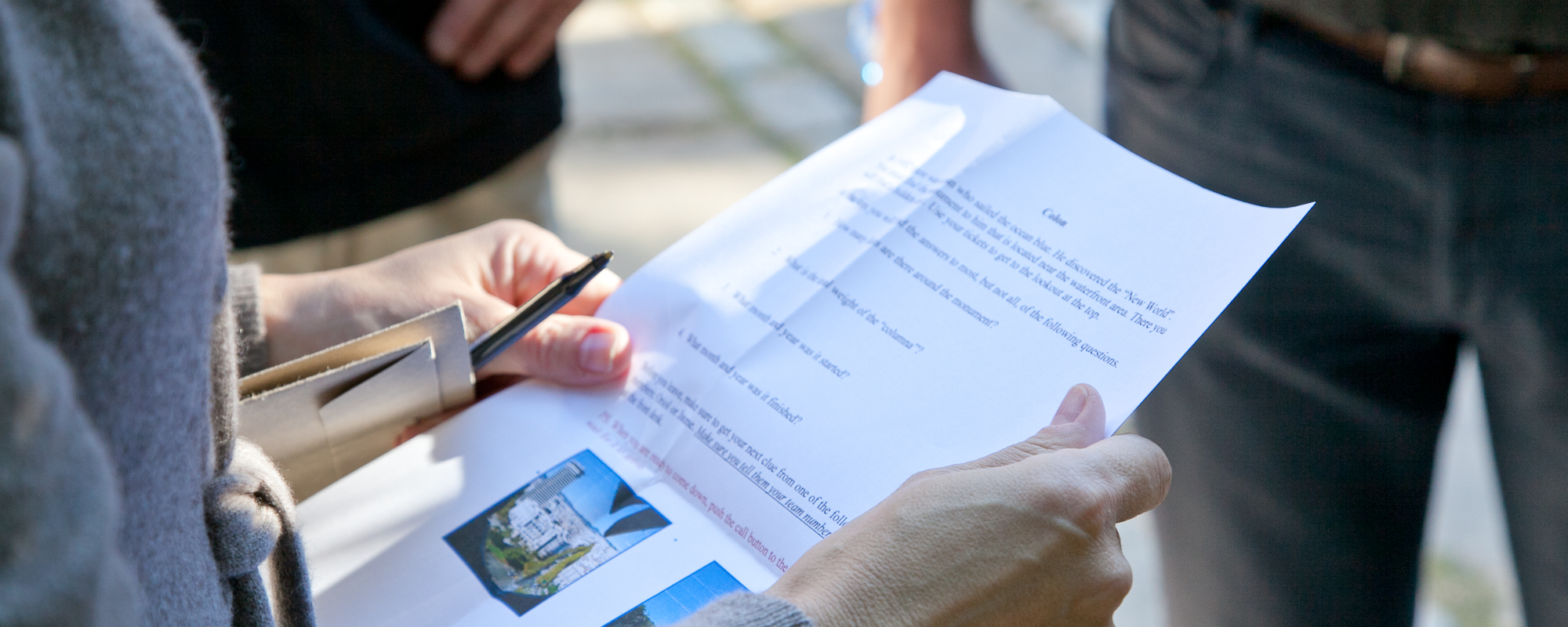
The same workshop, run as a competition. A short briefing to start, then each team gets a road book: the challenges — capture movement, find the frame, a portrait in hard light — the instructions for going about each one, and where to go and shoot it. The spots are chosen for the finding as much as for the photography, quiet corners that people who have been to Barcelona five times have usually never stood in.
Teams of two to six work best, and the number of teams is up to you. Bigger than six and a couple of people do the work while the rest follow along, which is the thing that quietly ruins days like this. They go out on their own, which is most of what makes it, and the road book is what lets that work at any size — the teaching goes out with them rather than staying with me.
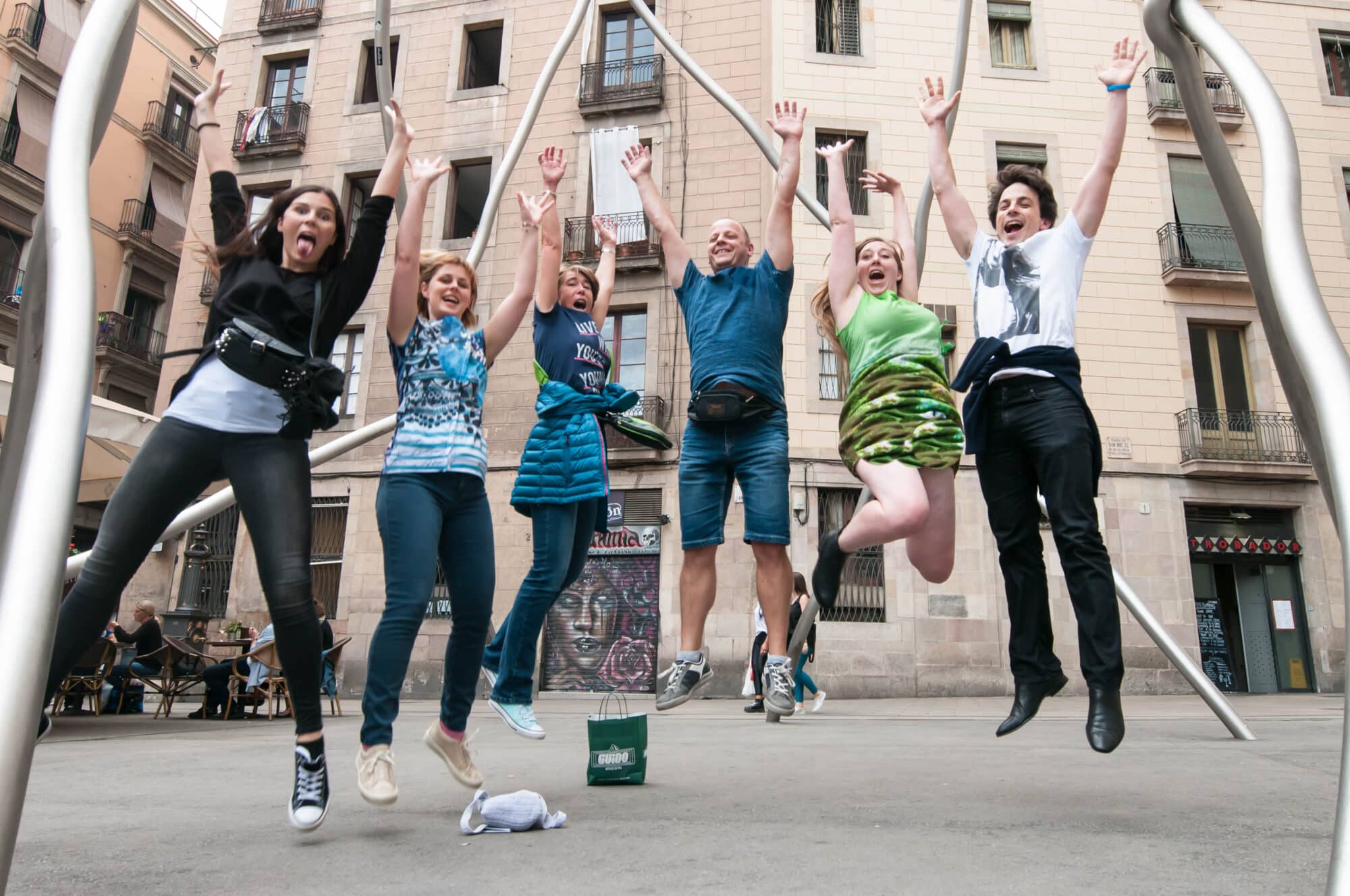
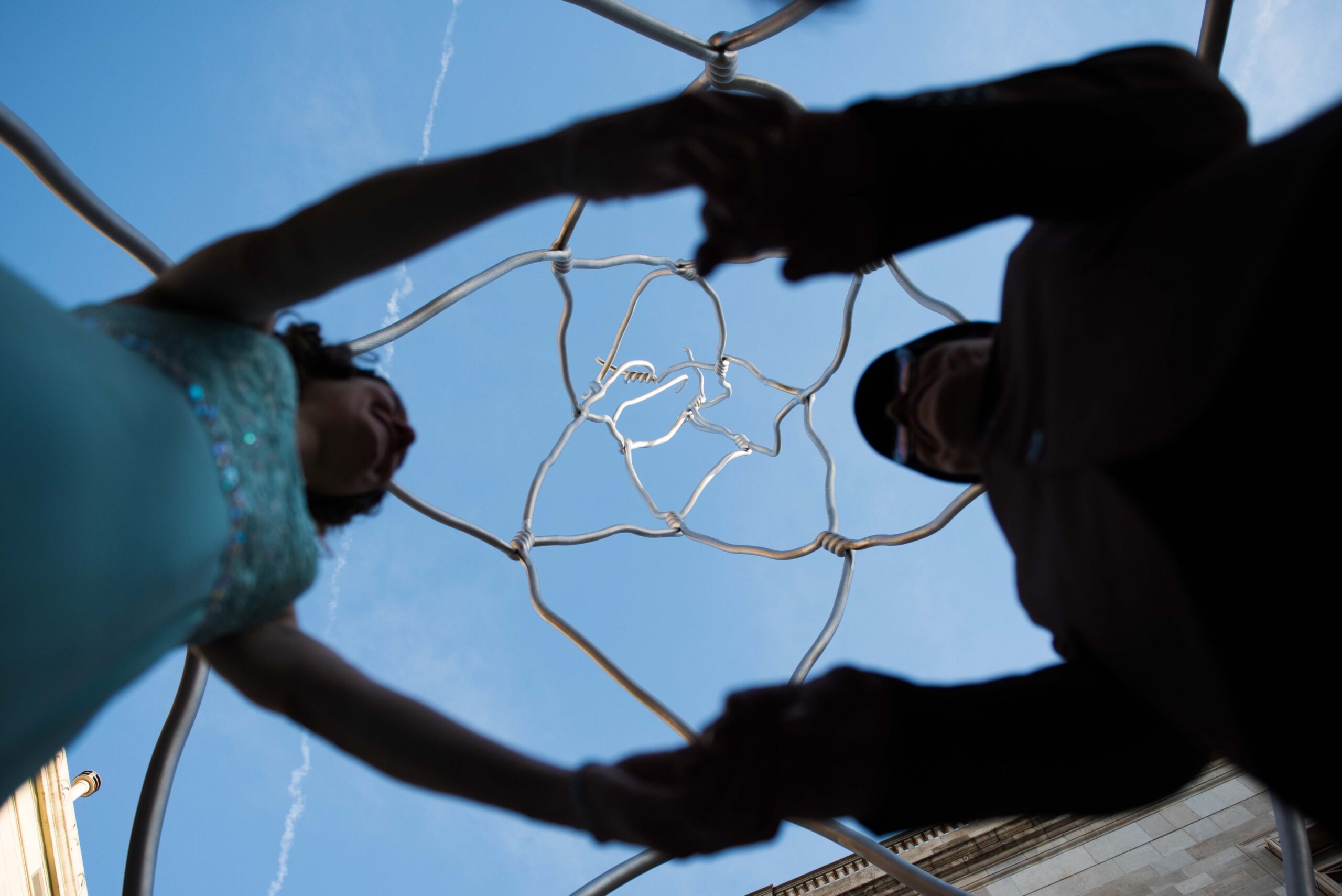
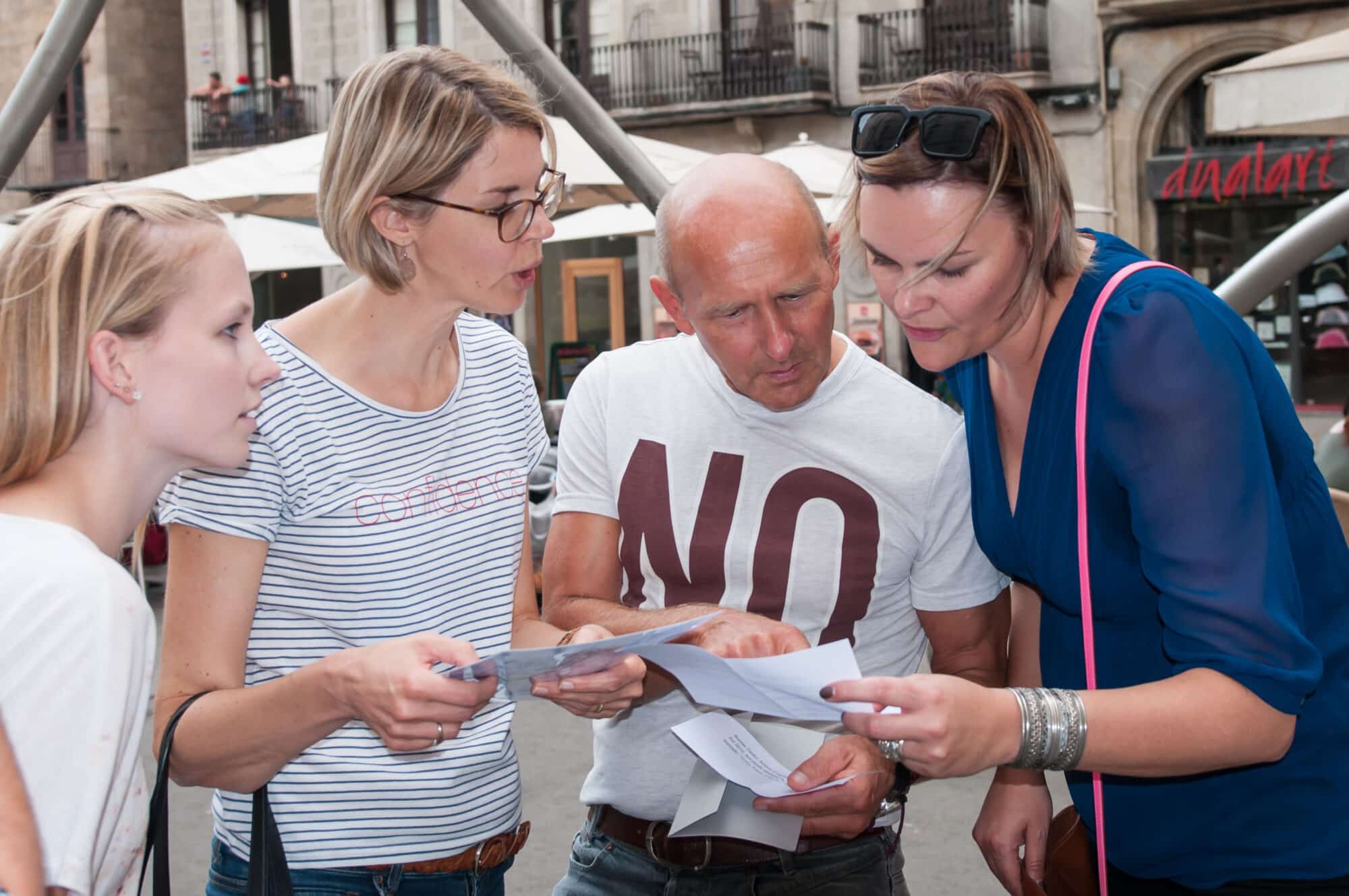
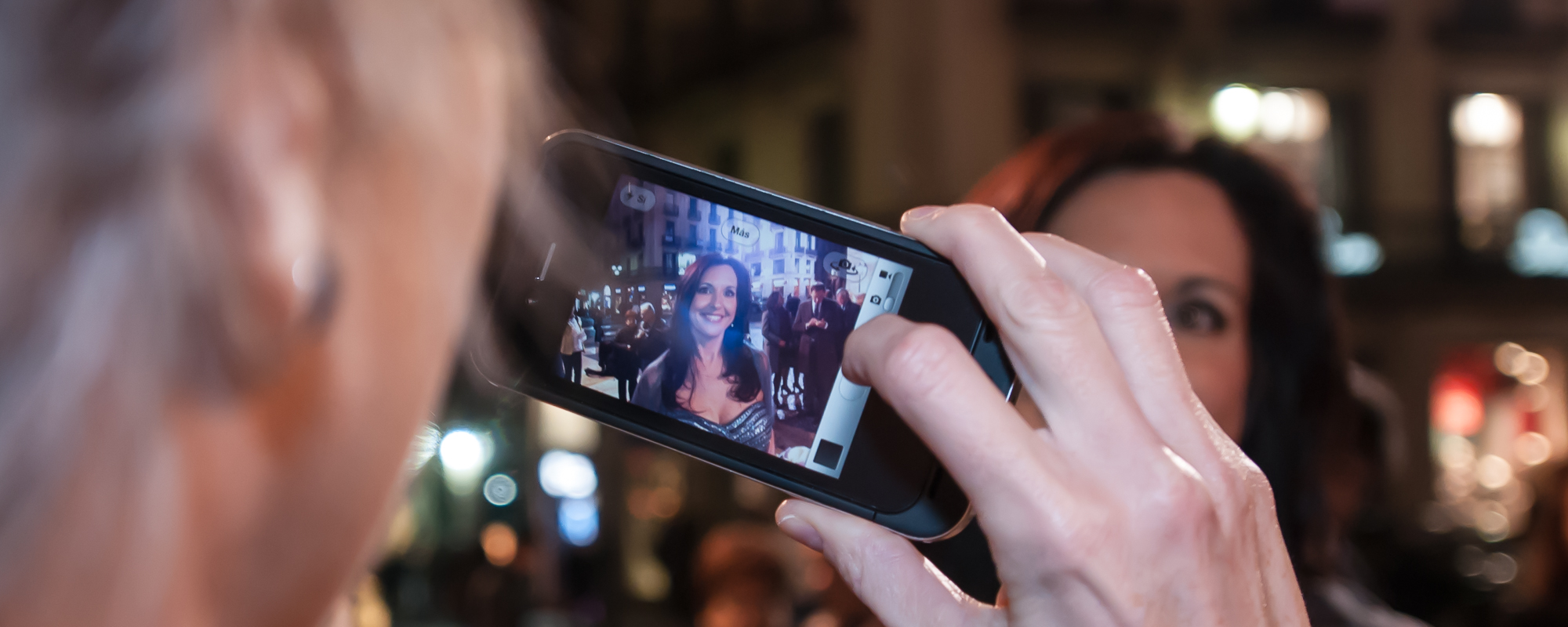
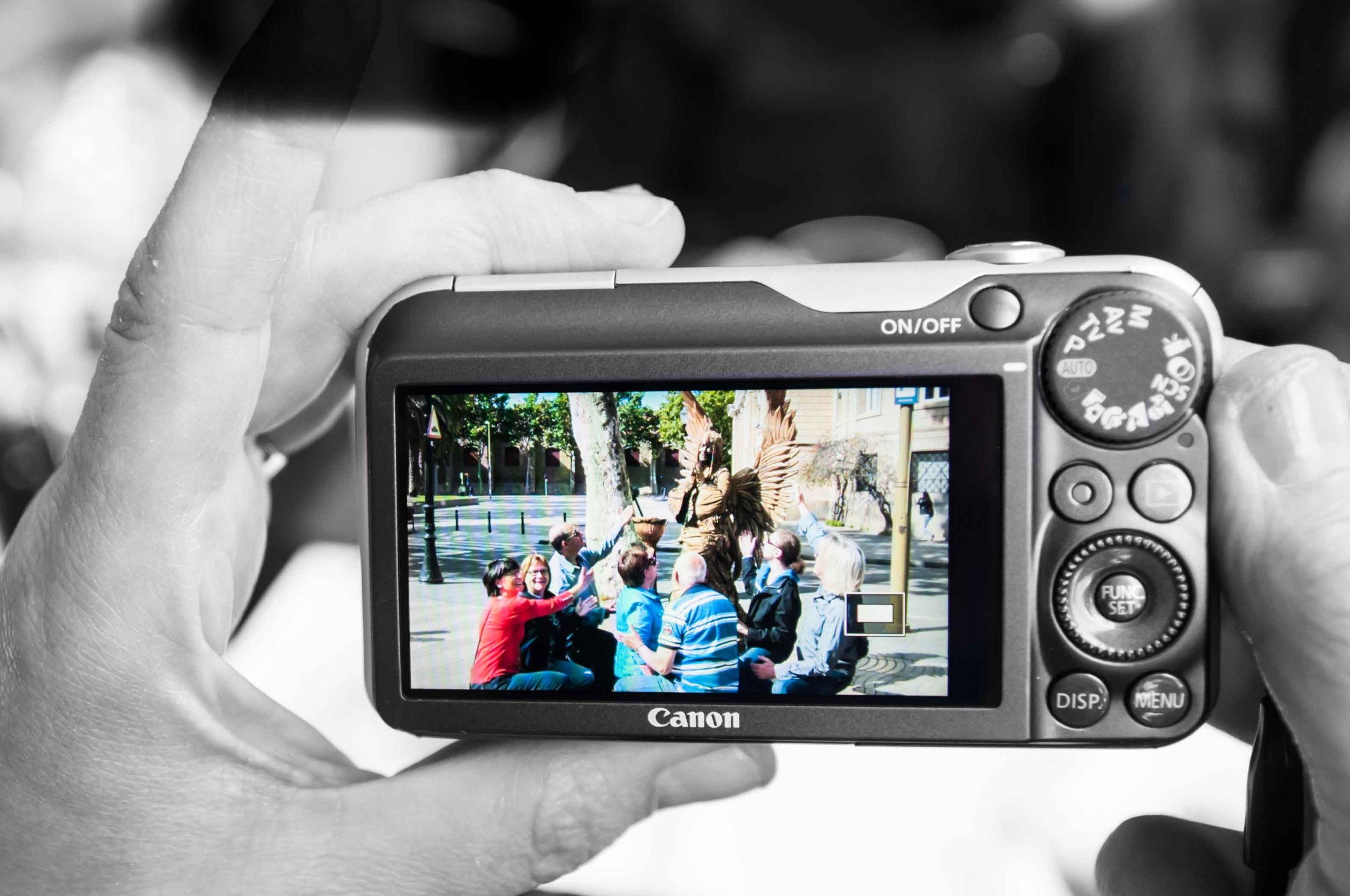
Most of it happens on the phone already in everyone’s pocket, so whatever they take away they can use on Monday. How it ends is worth deciding together: a short presentation of what each team brought, something for the team that won, or simply going through the images and why some of them worked. Priced per person, on request.
Photography is one of several things we run for groups — bike tours and shore excursions among them. The rest are on the incentive travel page.
What It Costs
One price for the session, whatever you arrive knowing and however many of you there are.
Half day (3–4 hours)
€390
- Maximum group size: 12 people
- Nobody counts heads. One price covers the party, up to twelve, and it includes VAT.
- Two half days are €390 each. Two dates rather than one long one is the way this works best, and it is priced accordingly rather than as a package.
- I come to you. We start where you are staying, and the walking is part of the session rather than something billed on top of it.
- A full day, or a group past twelve, is quoted.
- Teams and company events price per person, on request.
Booking and cancellation
Paying
- All prices include VAT
- Your date is held once the session is paid in full
- Booking more than 60 days ahead? A deposit holds the date, with the balance due 30 days before
Cancelling
- 45 days or more before — refunded in full
- Closer than that — the refund steps down as the date approaches
- 7 days or fewer — no refund
- Entry tickets and anything else bought for you are non-refundable
Good to know
- Sessions run for the time booked, from the agreed start
- Images of adults may be used in my portfolio and on this site unless you tell me otherwise beforehand
- Images showing children are used only with written consent from a parent, and that consent can be withdrawn at any time
For full terms, see our Terms and Conditions (opens in a new tab)
Questions, answered
Is the workshop in English or Spanish?
Either. Both are native for me, so you are not being taught in someone's second language, and we can switch mid-sentence if that is how you think.
I have had my camera a couple of years and never really learned to use it. Is that a problem?
That is the most common reason people book. We start with what it is actually doing when you press the button, and everything after that builds on it.
I already know the basics and my pictures still are not good. Is this for me?
Yes, and probably more than for a beginner. When the theory is there and the results are not, it is usually in the hands and the eye — how you hold and set the camera, and whether you saw the picture before you raised it.
Can I do this with a phone?
Yes. Framing, light and knowing what you are looking at do not belong to any particular camera, and most of what you learn will still apply when you upgrade.
Could I not just teach myself?
Plenty of people do, slowly. What is hard alone is knowing which of the things you changed made the difference — that is what someone standing next to you is for.
Why does this cost more than an hourly lesson?
An hourly lesson is an hour of someone talking, and a photo tour is a walk where pictures happen to get taken. Here you get a half day with the person who both shoots this city professionally and teaches it: no instructor assigned to you, no fixed slot, no group to keep up with, nothing moving on until you can use it, corrected while the shot is still in front of you, and questions still answered once you are home. You are not buying hours. You are buying not needing the lesson again.
How many people can come?
Up to twelve on one price, though most sessions are one person, occasionally two or three. Company events run differently, in teams.
Should I book one day or two?
One is enough to change how you work. Two is better, because the days between let you use the first before we go on, and the second starts from what you brought back.
What should I bring?
The camera, a charged battery and space on the card. A second lens if you own one. I carry a spare metro ticket, so that is not something to sort out.
Where do we meet?
I come to you, wherever you are staying, and we go from there.
Do I get photographs afterwards?
The photographs you take are yours, and they are the point of the day. I usually take some of you working and send those on, but they are a bonus rather than what you are paying for.

"When I can see that something has not quite landed, I change the example, or I ask questions until you make the connection yourself, because the job is getting you to think about it rather than be told about it. The moment the light goes on is the best part of my week — from then on it is yours, in every photograph you take for the rest of your life."
— Gaston Magrinat
Tell Me What You Shoot With and When You Are Here
That is enough to start. What camera you have, roughly what you can already do with it, and the dates you are in Barcelona. Whether it is one half day or two, and where we begin, is what the first conversation is for.
Email reply within 24 hours.
More Photography in Barcelona
The same photographer for all of it — private sessions and workshops across Barcelona and Catalonia.

Couples & Proposal Photography
- Engagements, proposals, anniversaries, or simply the two of you somewhere you’ll remember. Proposals worked out with you beforehand, and shot close in.

Family Photography
Grandparents, teenagers, small children — shot at their pace, while you actually enjoy Barcelona.

Event & Celebration Photography
Dinners, awards nights, incentive parties, birthdays, baby showers — visitors and Barcelona residents alike.
Build Your Barcelona Trip
Each of our private experiences pairs naturally with the others. Same team, same booking conversation, one Barcelona trip.

Private Barcelona Walking Tours
- •The Gothic Quarter & the old city
- •Half or full day options
- •Priced per group, not per person

Private Barcelona Driving Tours
- •More of the city in a day — hills, views & landmarks
- •Half or full day options
- •Priced per group, not per person

Private Barcelona Bike Tours
- •City, MTB & gravel rides
- •Half or full day options
- •Priced per group, not per person

Private Day Trips From Barcelona
- •Montserrat, Girona, the Costa Brava & beyond
- •Full-day trips out of the city
- •Priced per group, not per person

Private Photographer in Barcelona
- •Candid, reportage-style photos of your day
- •Proposals, engagements, couples & families
- •Added to any tour, or booked on its own

Team Building & Group Activities Barcelona
- •Private activities for large groups — 10 to 100+
- •Bike, walking, driving & day trips, scaled up
- •A dependable local operator for your group